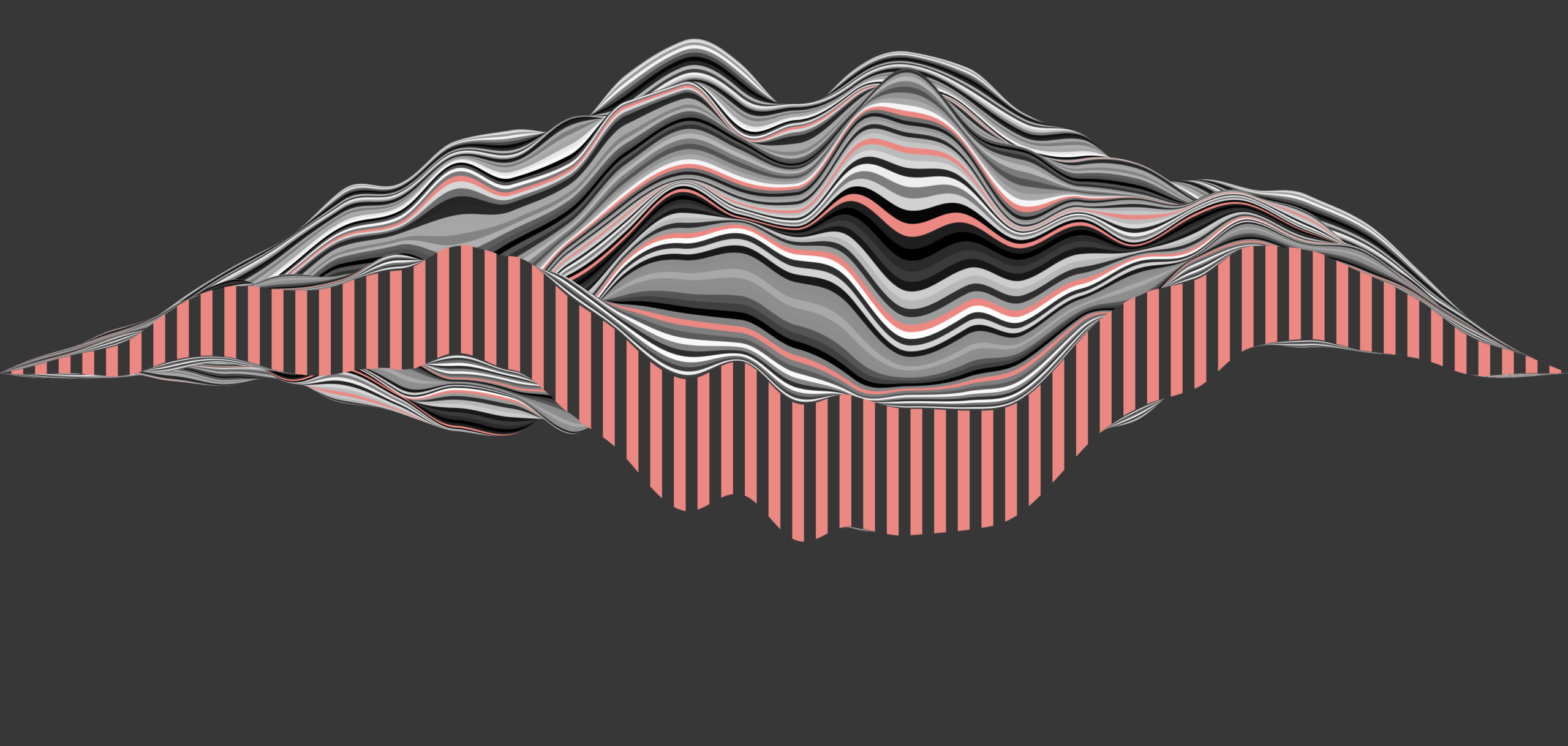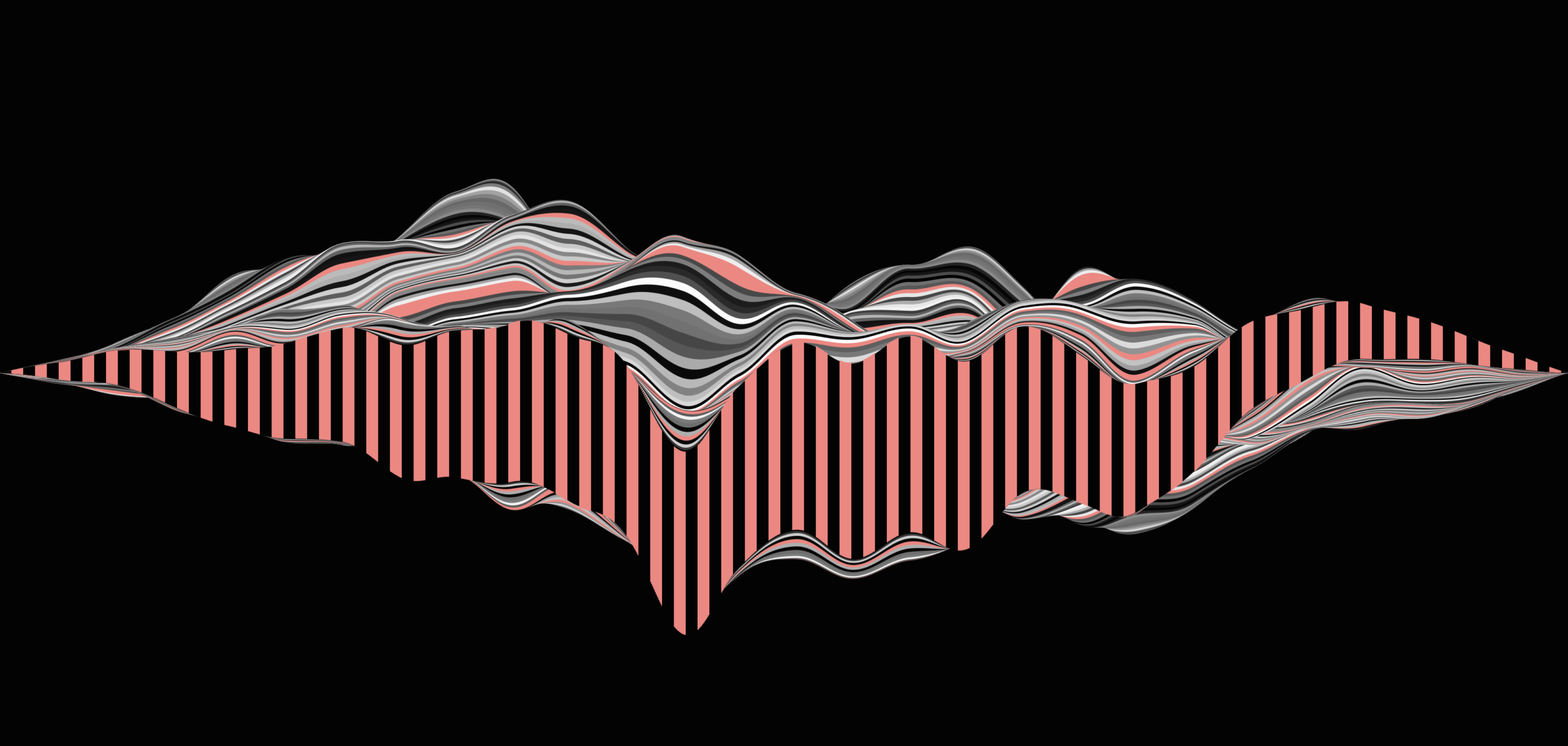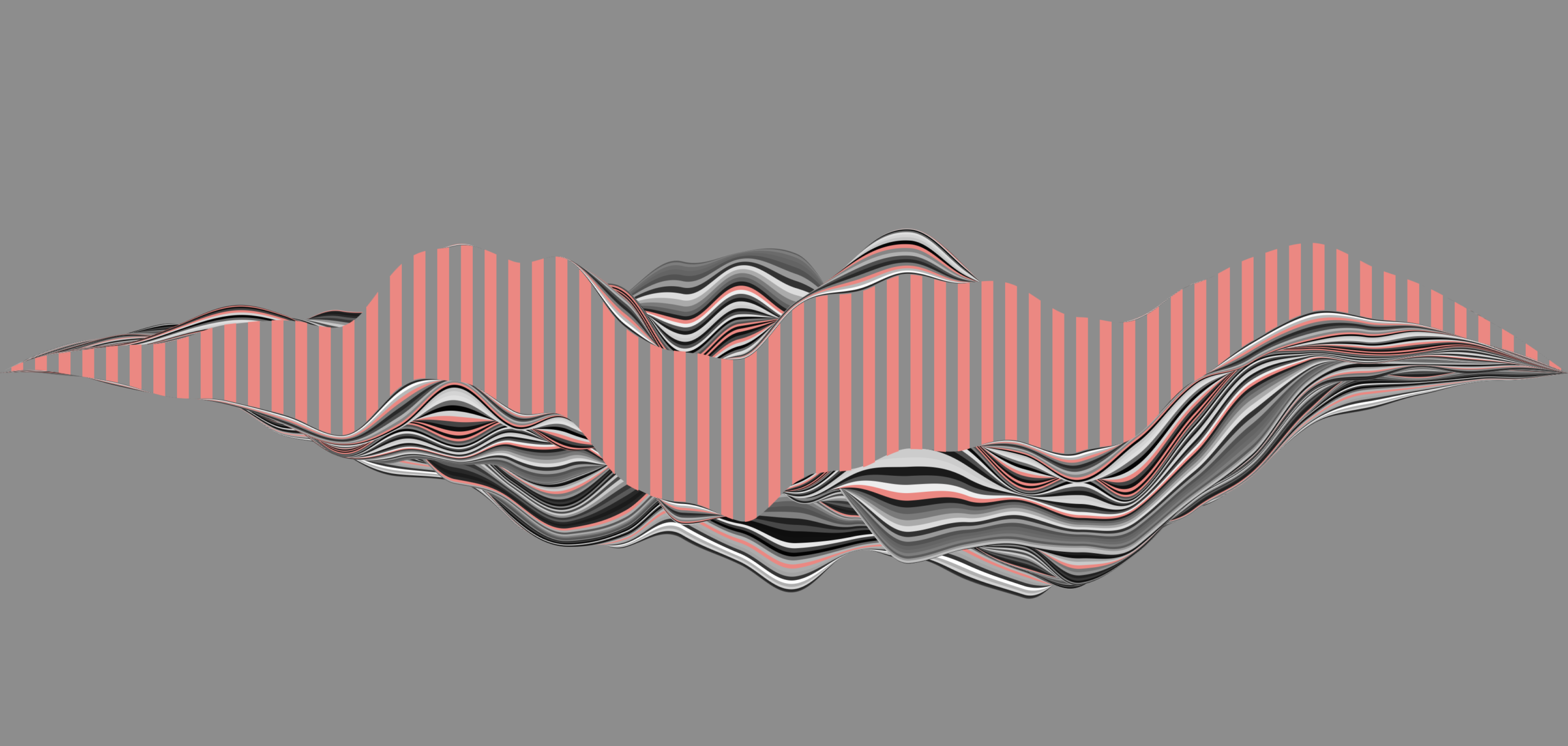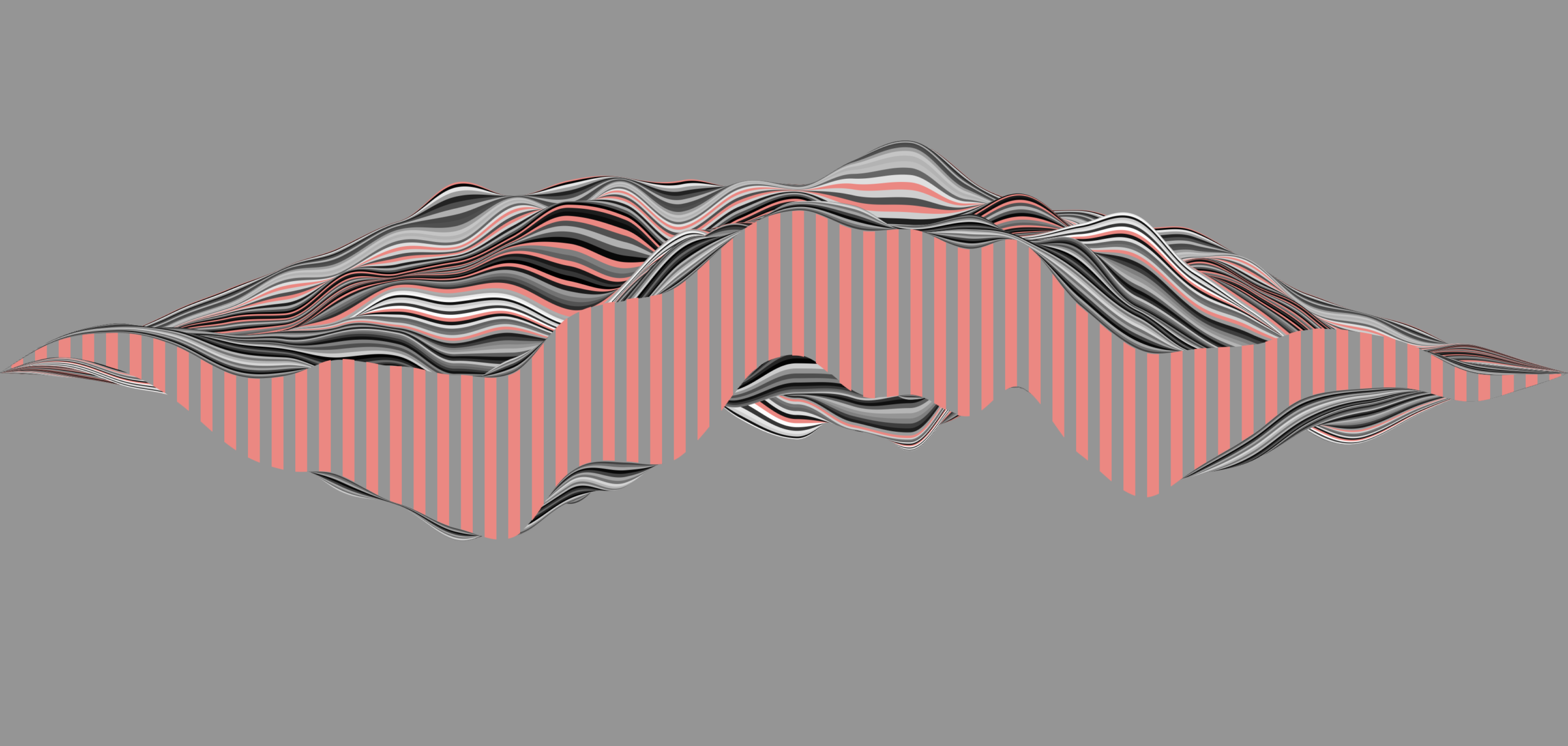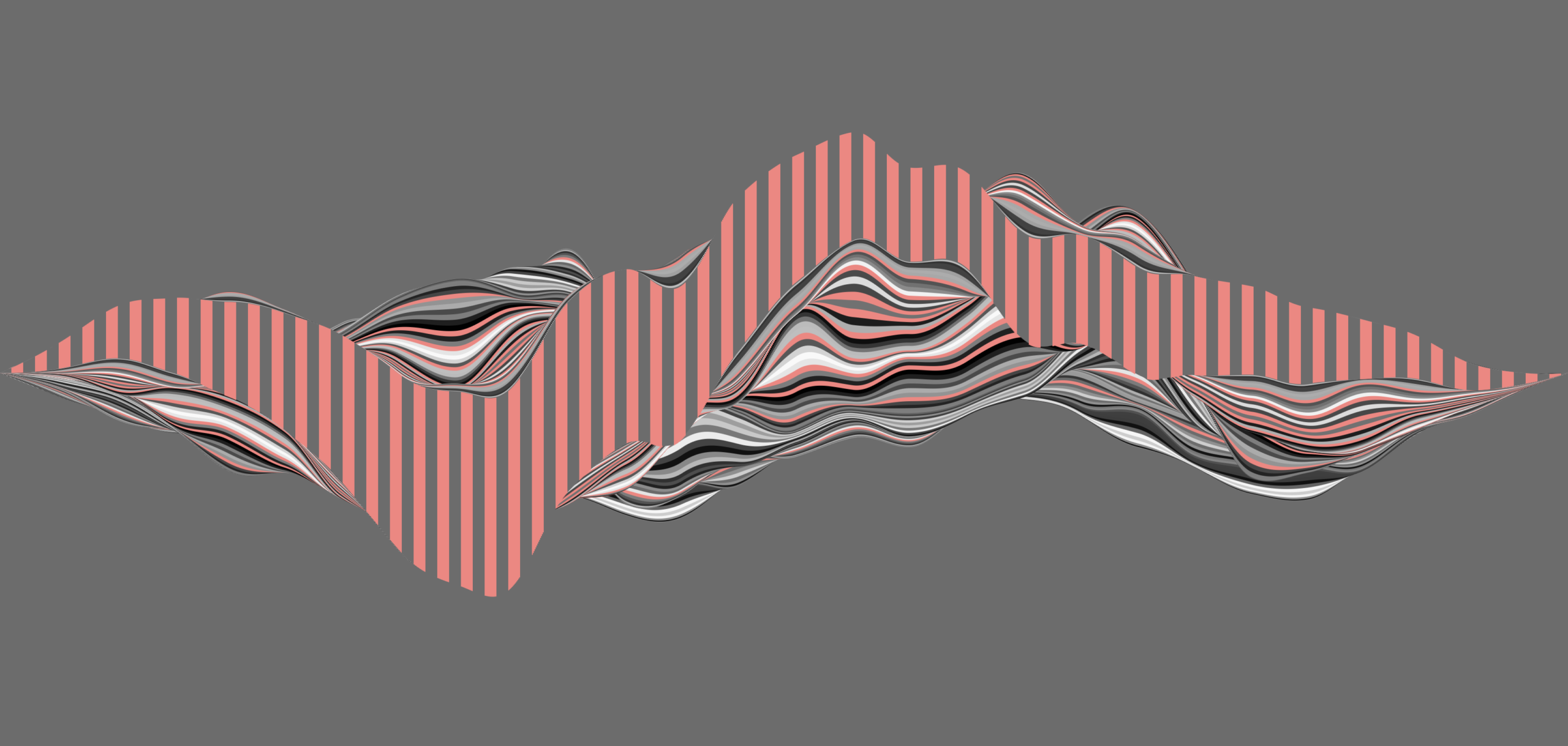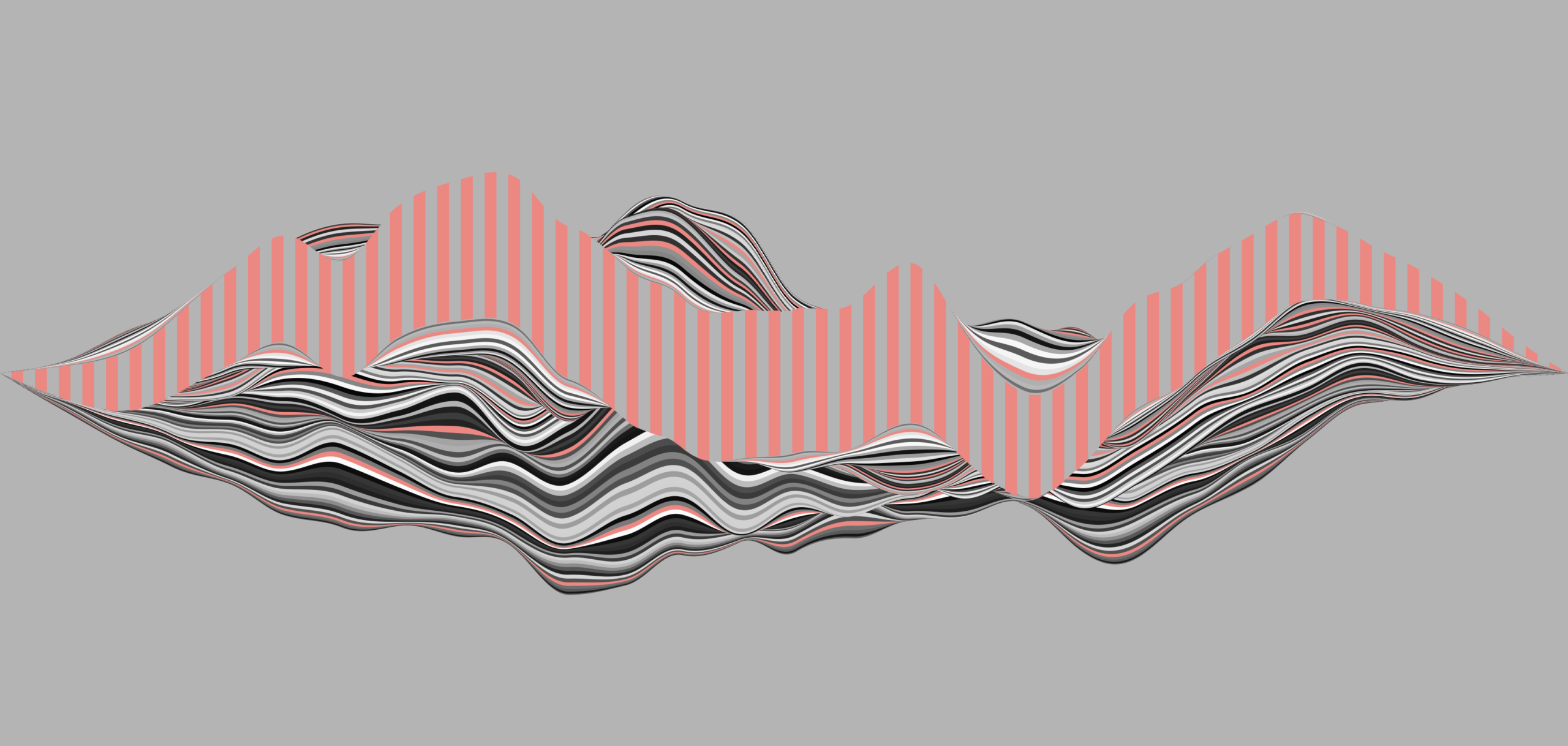
Google has developed DeepDream, an artificial brain that is not recognizing images with neural nets but also creates images - like a machine’s dreams.
www.wired.com/2016/02/googles-artificial-intelligence-gets-first-art-show
What It Is
Google has developed DeepDream, an artificial brain that is not recognizing images with neural nets but also creates images – like a machine’s dreams. www.wired.com/2016/02/googles-artificial-intelligence-gets-first-art-show
Why It Is Interesting
This project stands out because it focuses on a concrete problem and offers a practical way to solve it. For readers of synopolis.com, it is useful as a curated option to test, compare, and potentially integrate into daily workflows.
Practical Use Cases
- Explore it first in a small side project before using it in critical workflows.
- Use it to automate repetitive work or speed up research, development, or operations tasks.
- Compare it with alternatives and keep whichever gives the best reliability-to-effort ratio.
What Users Tend To Like
- Quick to evaluate and usually easy to try without long setup.
- Can save time by solving a specific problem better than doing it manually.
What To Watch Out For
- Quality and maintenance can vary over time, so check recent updates before depending on it.
- Make sure the tool fits your workflow and privacy expectations before adopting it long-term.
Link
http://www.wired.com/2016/02/googles-artificial-intelligence-gets-first-art-show